
Introduction
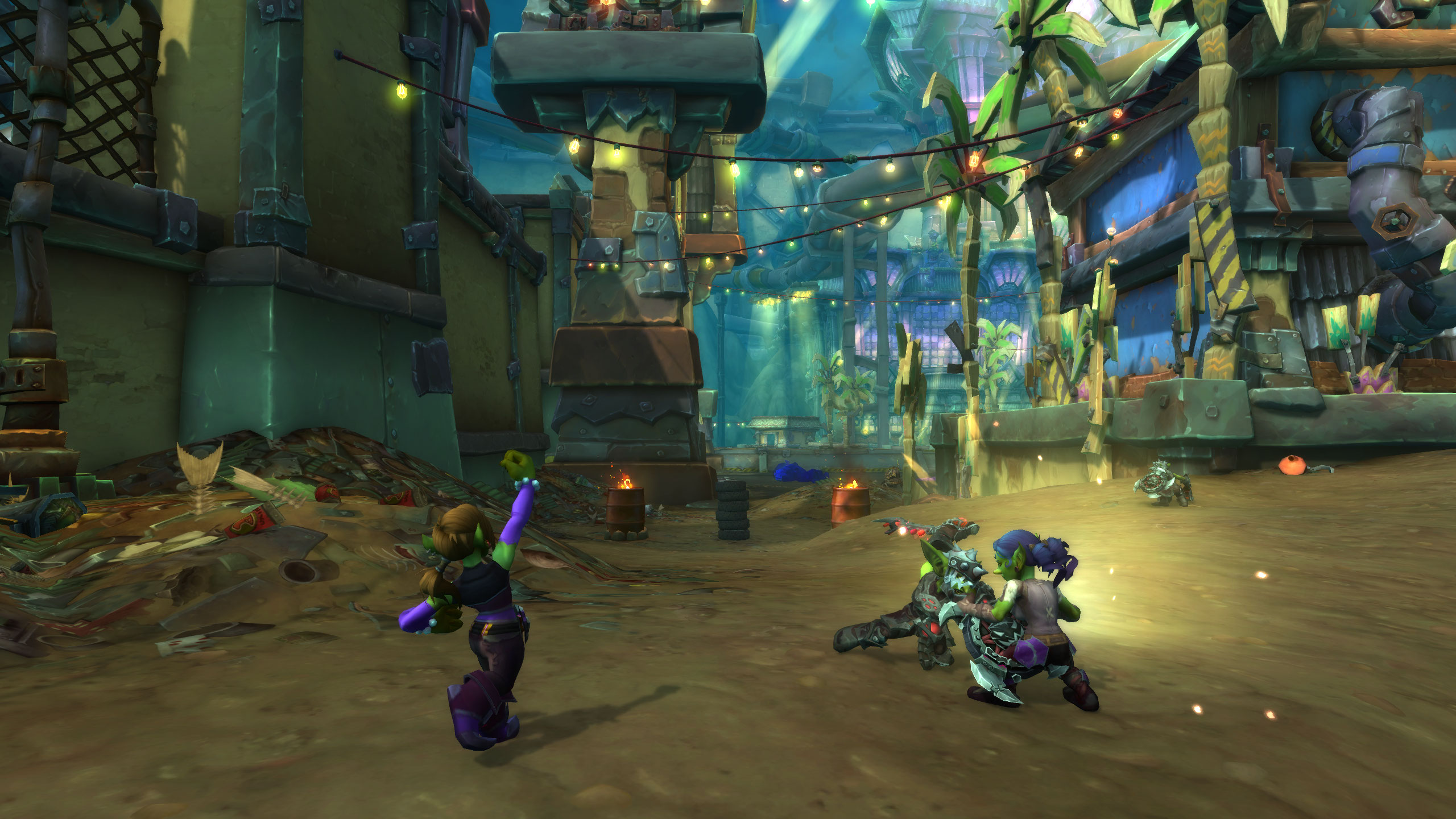
Azeroth’s landscape is shaped not just by time and magic, but by the wars that have scarred it. In *The War Within*, Blizzard continues to expand the tradition of environmental storytelling, using ruins, abandoned camps, battlefield debris, and shifting terrain to tell silent but powerful tales. These details aren’t just background—they offer clues to the events that led to the current conflict. Players who pay attention will notice remnants of previous expansions, broken monuments, and symbolic placements that foreshadow upcoming story twists. This article explores how *The War Within* uses the world itself to tell the story of a planet under siege from within.
Collapsed Strongholds and Vanished Settlements
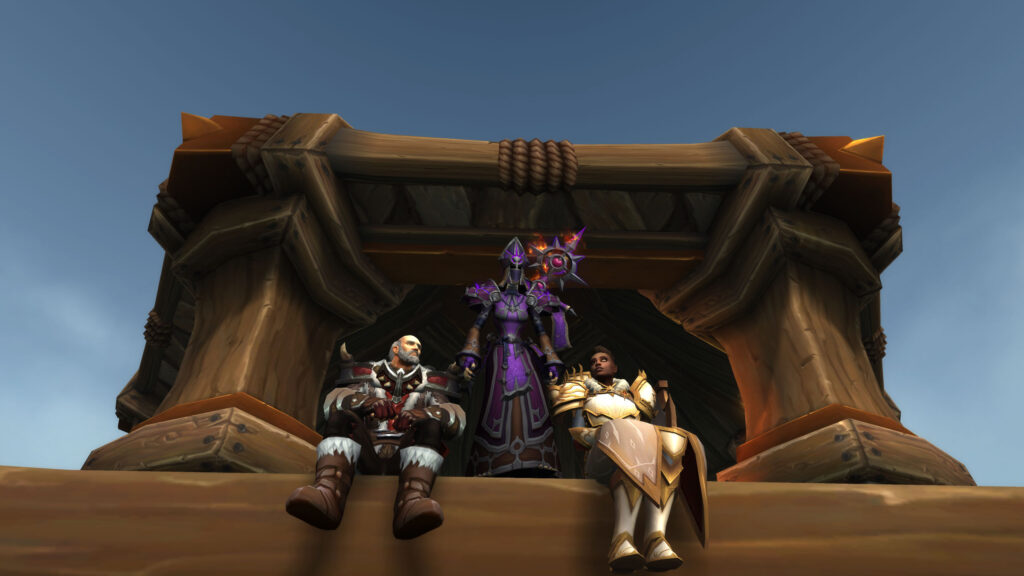
Throughout the new zones, players encounter shattered buildings and overrun outposts that hint at failed resistance or sudden evacuations. In places like Deepmantle, the earth has split apart entire towns, revealing half-buried structures filled with overturned furniture and broken tools. These visual cues convey panic and loss without any need for NPC exposition. Some settlements are eerily empty, their inhabitants missing with only claw marks, corrupted plants, or abandoned weapons left behind. Blizzard’s environmental team uses this silence to instill dread—creating tension through what’s *not* said. These destroyed locales aren’t just aesthetic; they give weight to the stakes of the current conflict and deepen immersion.
War Monuments and Battlefield Graves
Battlefield graves and crude memorials are common in *The War Within*. These include banners planted in the ground, piles of player weapons, and worn statues commemorating fallen heroes. Many include subtle references to past expansions, such as a broken Horde axe from the Siege of Orgrimmar or a decayed Alliance banner torn by void energy. These details remind players of the endless cycle of war that has defined Azeroth’s history. Some graves contain readable plaques that give short poems or cryptic messages from the dead. Others are unnamed, leaving interpretation to the player. This layering of tribute and decay shows how Blizzard uses the world to reflect the trauma of conflict.
- Hollowforge Memorial Pillar – names engraved with Titan runes
- Veiled Deep Mass Grave – covered in crystal overgrowth
- Fallen Watchpost Shrine – flickering candles remain lit
Natural Disasters as Narrative Tools
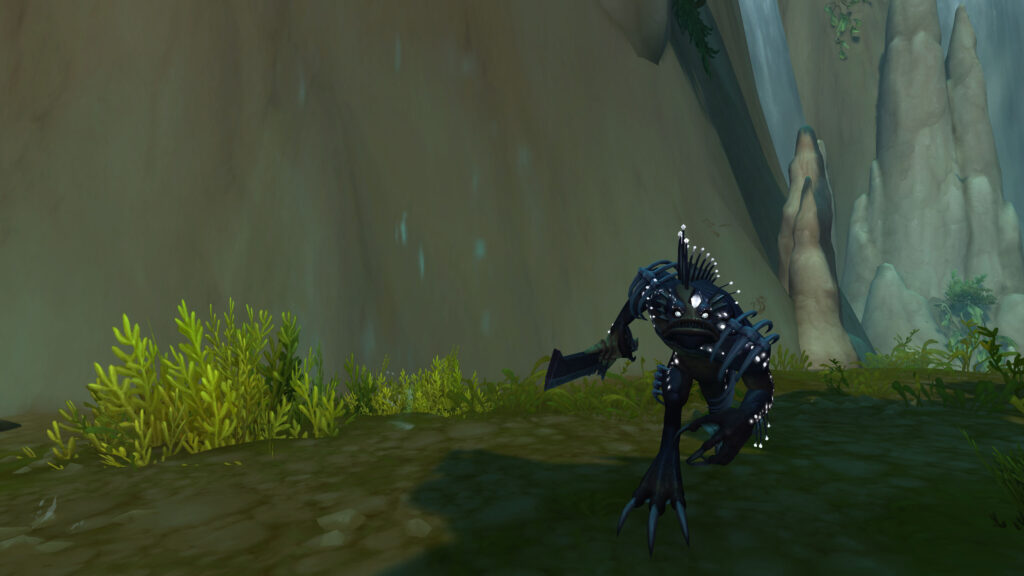
The environment itself shows signs of unnatural change. In the deeper zones, crystal spires grow at impossible angles, tearing through structures or blocking pathways. Seismic rifts and energy leaks imply that the planet is groaning under pressure—not just physical, but magical. These aren’t random effects; they’re carefully placed elements meant to imply interference from deeper forces like the Inner Corruptor. Pools of corrupted water bubble in sacred groves, and vines grow in twisted patterns around broken shrines. This visual storytelling conveys the creeping threat at the heart of the expansion far better than any cutscene. It makes every step feel consequential.
Echoes of Previous Eras
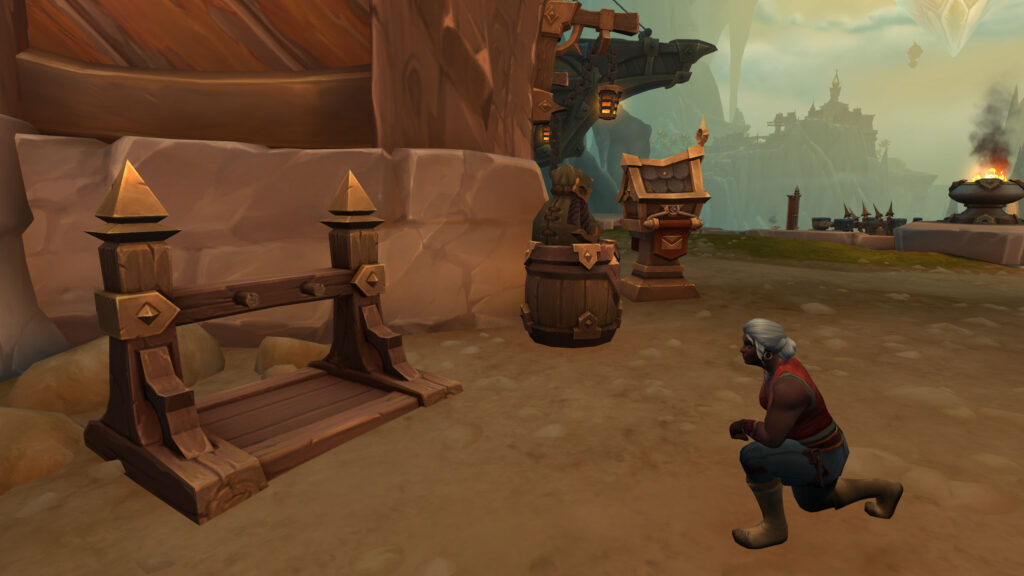
Keen-eyed players will notice familiar shapes in unfamiliar places. A shattered Naaru fragment embedded in a cavern wall, a rusted Scourge sigil carved into stone—these callbacks aren’t accidental. They serve as visual reminders of how every conflict leaves a mark on Azeroth. Sometimes, older NPCs even reference these items in passing dialogue, tying past expansions into the current story. These echoes help unify *The War Within* with the broader Warcraft timeline, showing how history has literally built the ground we now fight on. It’s a quiet, reverent way of respecting the game’s legacy while deepening the stakes of the present.
| Artifact | Location | Reference |
|---|---|---|
| Naaru Shard | Crystaldeep Caverns | The Burning Crusade |
| Runeblade Hilt | Fallen Sanctum | Wrath of the Lich King |
| Twilight Rune | Black Mirror Hollow | Cataclysm |
Conclusion
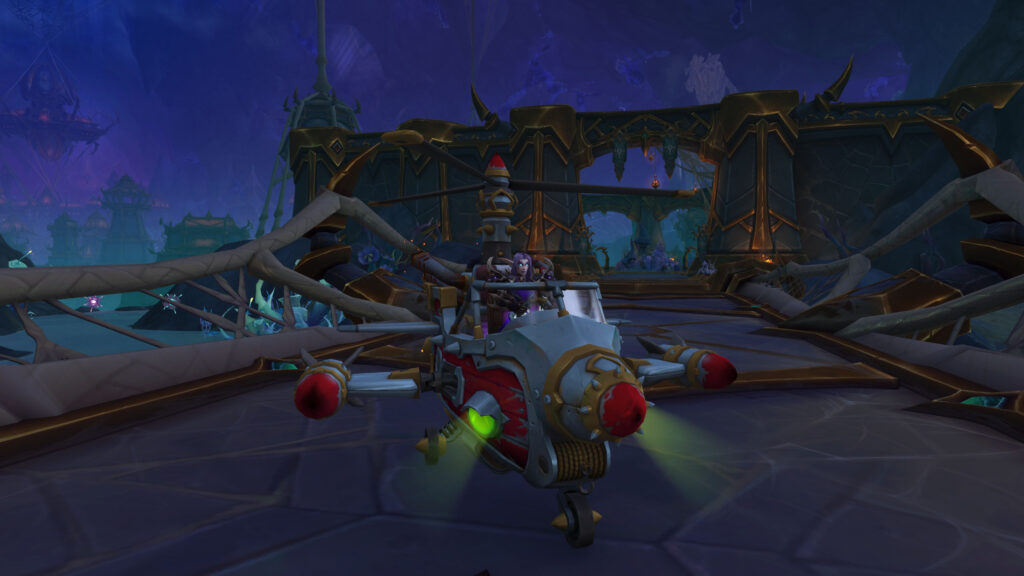
Blizzard has mastered the art of using environment to enrich the player experience. In *The War Within*, every broken structure, glowing fissure, and forgotten shrine is part of the story. Environmental storytelling adds context to quests, enhances immersion, and rewards players who stop to look beyond the minimap. As you descend deeper into Azeroth’s wounded core, keep your eyes open—the land speaks volumes if you know how to listen. And in a war defined by inner corruption and ancient memory, sometimes the most haunting truths are written in stone and silence.



Leave a Reply