

Dungeon scaling mechanics play a crucial role in preserving challenge as player gear improves. Instead of allowing content to become trivial, scaling systems adjust health, damage, and mechanical pressure to ensure that execution and awareness remain relevant throughout an entire progression cycle.
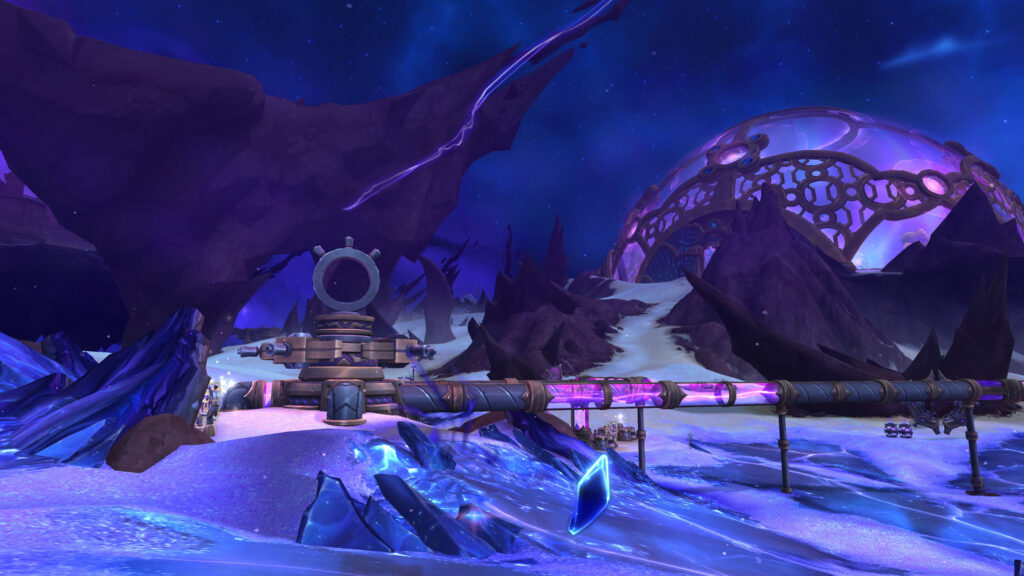
Scaling Preserves Mechanical Relevance
As item levels rise, raw stats alone no longer decide outcomes. Scaling ensures that mechanics still demand respect, forcing players to move, interrupt, and position correctly. This prevents dungeons from devolving into mindless speed runs once gear improves.
Progression Feels Meaningful Without Removing Risk
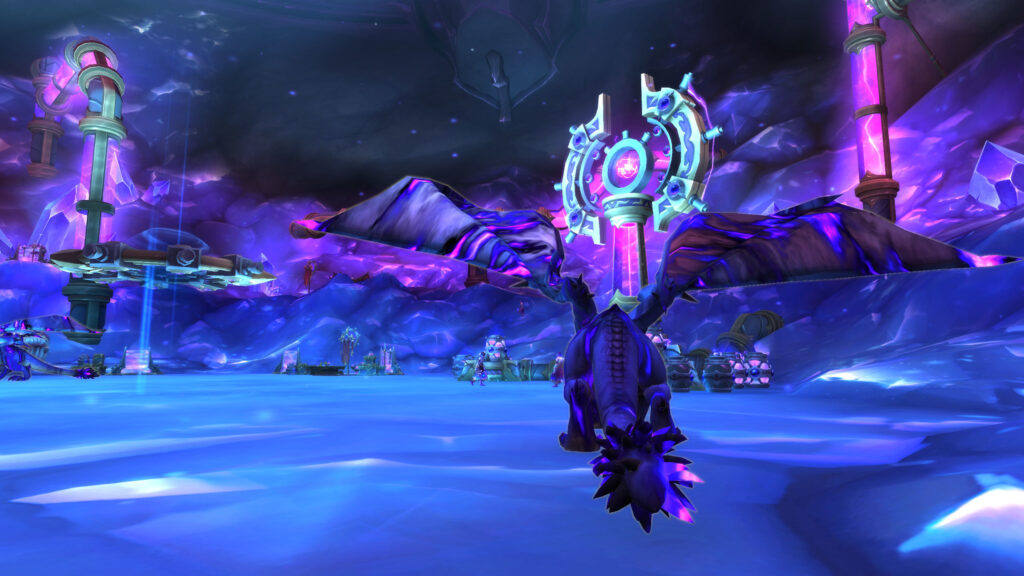
Players still feel stronger as gear improves, but scaling keeps risk present. Damage becomes more manageable, recovery windows widen slightly, and efficiency increases, yet mistakes remain punishing. This balance reinforces skill expression alongside power growth.
Scaling Supports Long-Term Engagement
Because challenge remains consistent, dungeons stay relevant throughout a season. Players continue refining routes, cooldown usage, and coordination instead of outgearing content and disengaging early.
| Scaling Element | Purpose | Player Impact |
|---|---|---|
| Health scaling | Extended fights | Mechanic consistency |
| Damage scaling | Sustained pressure | Defensive relevance |
| Timer tuning | Pace regulation | Strategic routing |
| Affix interaction | Dynamic difficulty | Weekly adaptation |
Skill Continues to Outperform Gear

At higher levels, clean execution consistently beats raw item level advantages. Scaling mechanics reinforce this hierarchy, rewarding players who refine fundamentals instead of relying on numerical superiority.
Conclusion
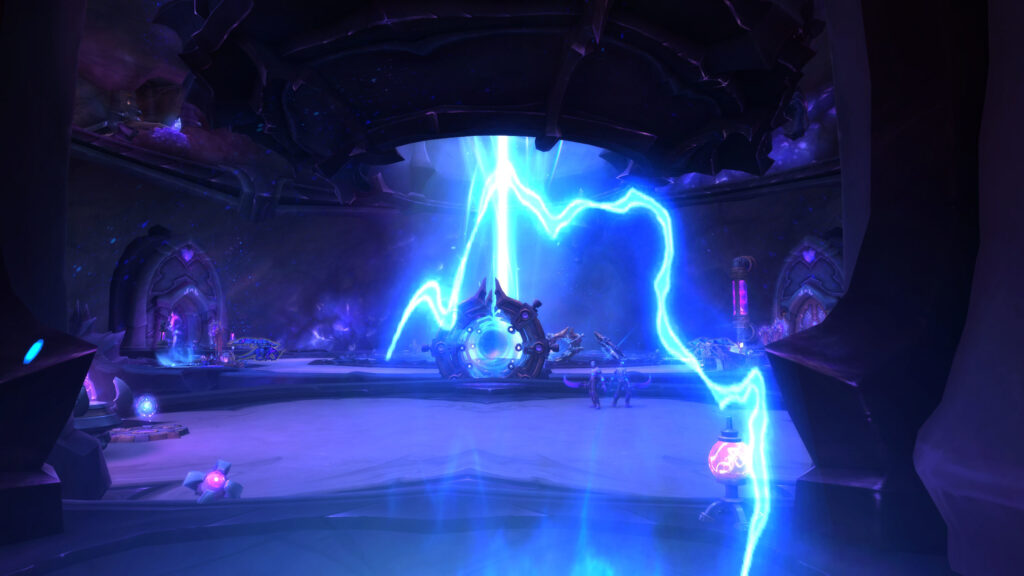
Dungeon scaling mechanics maintain challenge across gear progression by preserving mechanical relevance, pacing, and risk. These systems ensure that improvement remains tied to skill and coordination rather than gear alone.





Leave a Reply