
In Warcraft, death has never been the end—it’s a transformation, a passage into myth. From the earliest fallen heroes to the cosmic revelations of Shadowlands, Blizzard has used death not as a conclusion, but as a narrative engine that reshapes worlds and destinies. Understanding how the concept of the afterlife evolved reveals how deeply intertwined mortality and meaning are within Warcraft’s storytelling.
This article delves into how Blizzard transformed death into one of its most profound storytelling tools, exploring the emotional, spiritual, and cosmic shifts that came with revealing the Shadowlands.
Death Before Shadowlands: Mystery and Reverence
For most of Warcraft’s history, death was a mystery. Spirits lingered in sacred groves, ancestors whispered through shamanic rituals, and undead horrors stalked the living—but the true nature of the afterlife was undefined. This ambiguity gave the world spiritual texture. It allowed players to project their own interpretations onto characters like Uther, Grommash, or Sylvanas.
Before the Shadowlands, death held reverence. It was final, poetic, and deeply personal. A hero’s last stand was as much about their legacy as their fate, and the lack of clear answers gave the world a sense of mystery that mirrored human mythology.
Shadowlands and the Cosmic Expansion of Death
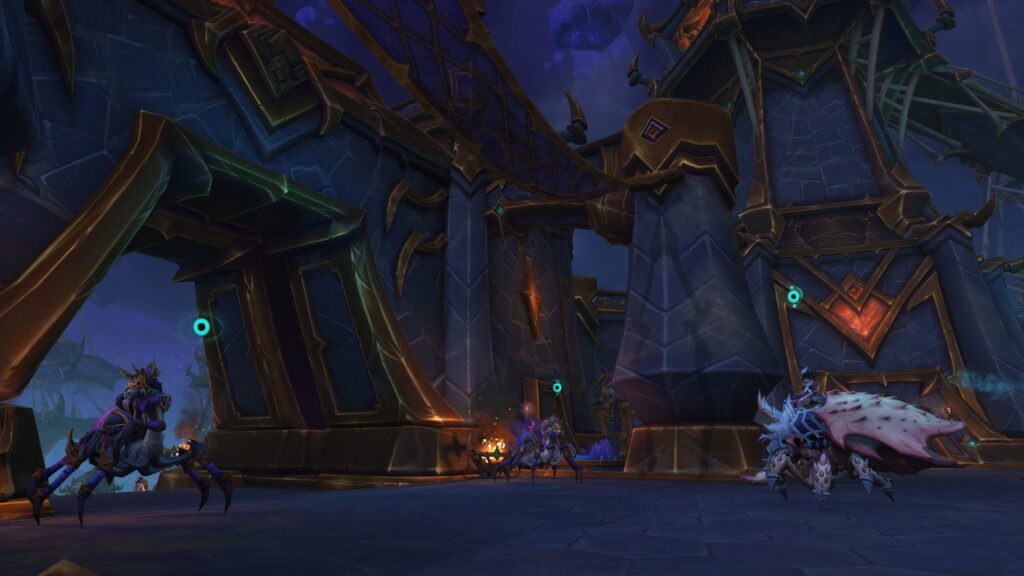
When Shadowlands launched, death became tangible. Players crossed the Veil, walked through realms like Bastion and Maldraxxus, and met figures long thought lost. The expansion transformed death from abstract theme to physical location—a bold but controversial narrative shift.
By mapping the afterlife, Blizzard expanded the cosmology of Warcraft. The Jailer, the Arbiter, and the Eternal Ones revealed that death wasn’t random—it was part of a cosmic order balancing Light, Void, and Life itself. For some, it added depth; for others, it removed the mystery that made sacrifice so powerful. Either way, death had evolved into a storytelling cornerstone.
Iconic Deaths That Shaped Warcraft’s Narrative
Death often serves as a pivot point for entire story arcs. The fall of Arthas, the sacrifice of Varian, and the torment of Vol’jin all changed the course of factions and philosophies. Each passing becomes an opportunity for transformation—not just for the fallen, but for those left behind.
These moments prove that in Warcraft, mortality drives progress. Every death births legacy, and every resurrection carries consequence.
- Arthas Menethil: His corruption and redemption defined the morality of power and the cost of obsession.
- Vol’jin: His mysterious guidance from beyond reshaped the Horde’s spiritual identity.
- Uther: His divided soul symbolized the eternal struggle between vengeance and mercy.
- Cairne Bloodhoof: His death fractured the Horde’s honor and tested its leadership.
Each story reminds players that death, handled thoughtfully, becomes an instrument of growth—not despair.
The Emotional Philosophy of Mortality
Blizzard’s treatment of death often mirrors real-world philosophies. The Light represents transcendence; the Void embodies nihilism; and the balance between them reflects the mortal condition. In Shadowlands, souls are judged and reborn, echoing ancient beliefs in karma and consequence.
By personalizing these journeys, the narrative encourages reflection. When players help a spirit find peace in Bastion or confront guilt in Revendreth, they experience catharsis that mirrors human empathy—reminding us that death’s meaning comes from how we live.
How Death Redefined the Living World
After the Shadowlands storyline, Azeroth itself felt different. The revelation that death was part of a greater system reframed how mortals view heroism and loss. Every resurrection, every ghostly whisper now carries context—it’s no longer random magic, but cosmic design.
This perspective deepened even minor quests. Burial rituals, ancestral shrines, and ghost encounters gained philosophical weight. Death was no longer just danger—it was narrative continuity.
Legacy and Critique: The Double-Edged Sword of Clarity
While the Shadowlands gave incredible scope to death, some argue it demystified what made it sacred. Explaining too much can weaken awe. The mystery once surrounding death became bureaucracy—souls queued for judgment instead of vanishing into myth. Blizzard traded spiritual poetry for cosmic architecture.
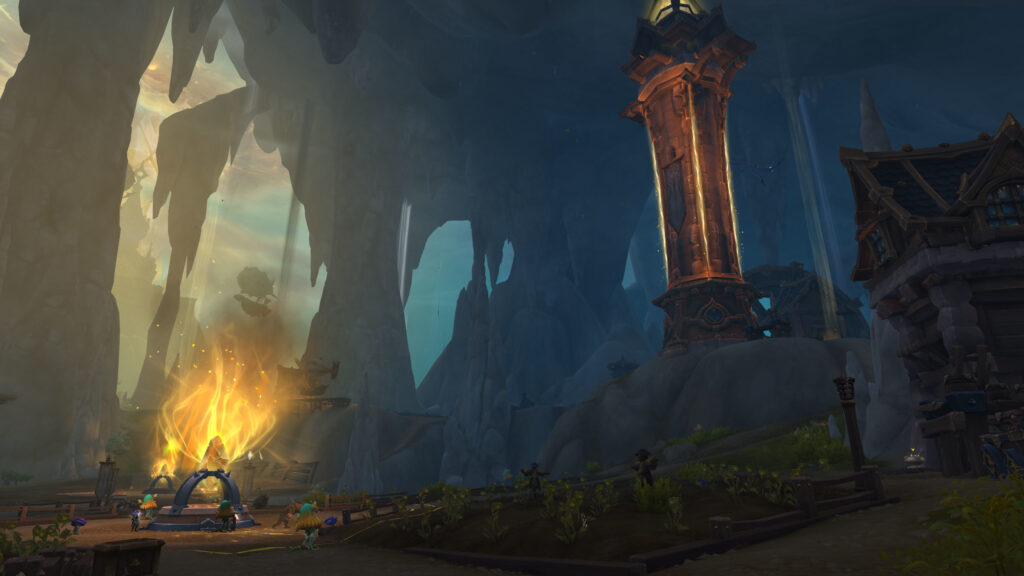
Yet, this very choice made the lore bolder. It dared to turn faith into geography, forcing players to confront how belief, destiny, and consequence intertwine. It turned death into philosophy rather than punctuation.
Conclusion
Death in Warcraft has evolved from a veil of mystery to a structured cosmic truth—but its emotional core remains unchanged. It’s the space where characters find meaning, redemption, or eternal conflict. Whether you mourn Arthas or ponder the Arbiter’s judgment, every brush with death enriches the living narrative of Azeroth.
In the end, the afterlife in Warcraft doesn’t just explain what comes next—it challenges us to ask why we fight, why we fall, and what legacy we leave behind when our story fades into the stars.




Leave a Reply