
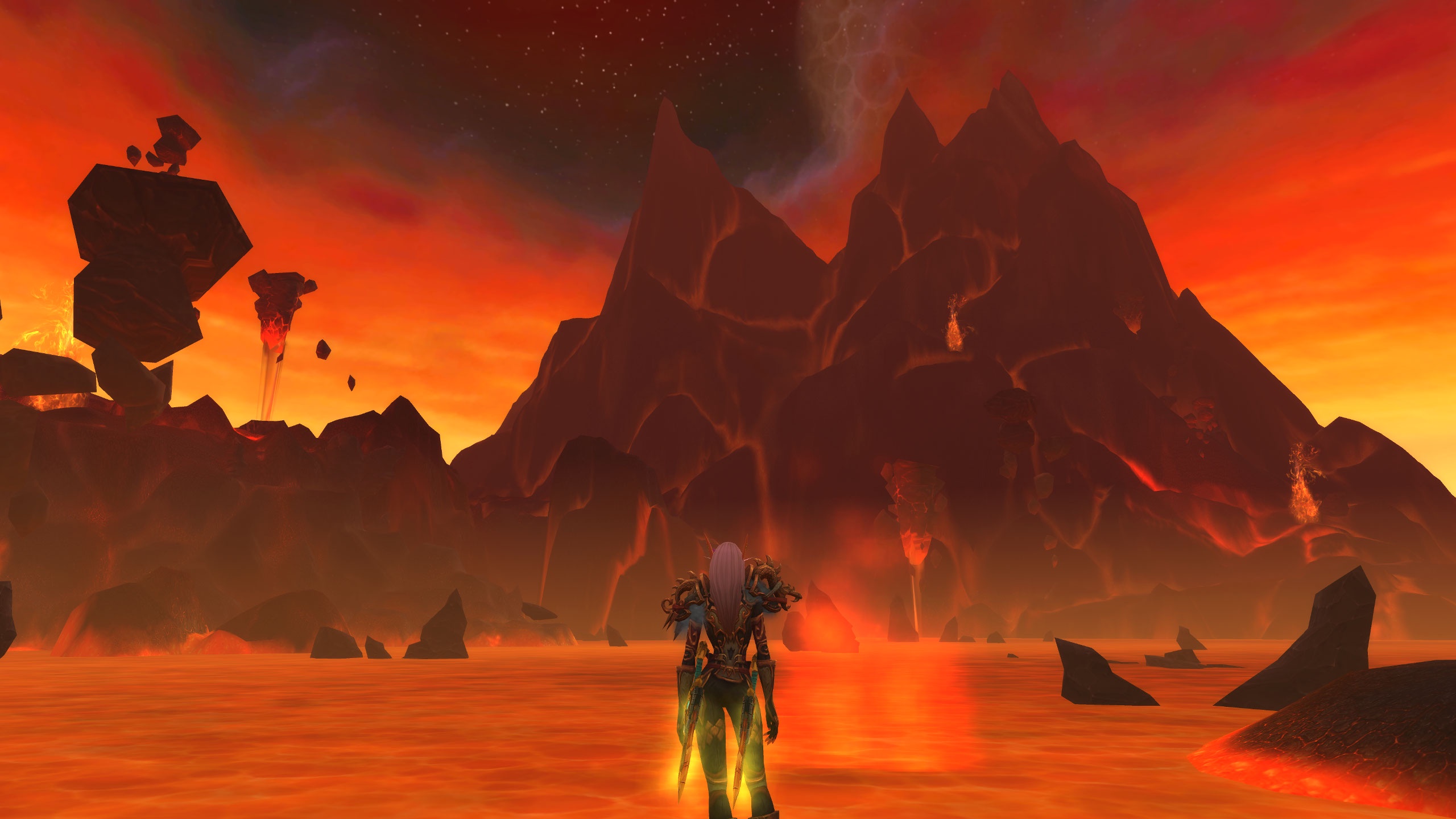
*World of Warcraft: Legion* introduced one of the most innovative and dynamic content systems in the game’s history: Demon Invasions. These invasions were a critical part of the expansion’s ongoing storyline, serving as both a challenge and a unique experience for players. In this article, we’ll delve into what made Demon Invasions so special, how they impacted the gameplay experience, and why they set a new standard for dynamic content in MMOs.
The Concept of Demon Invasions
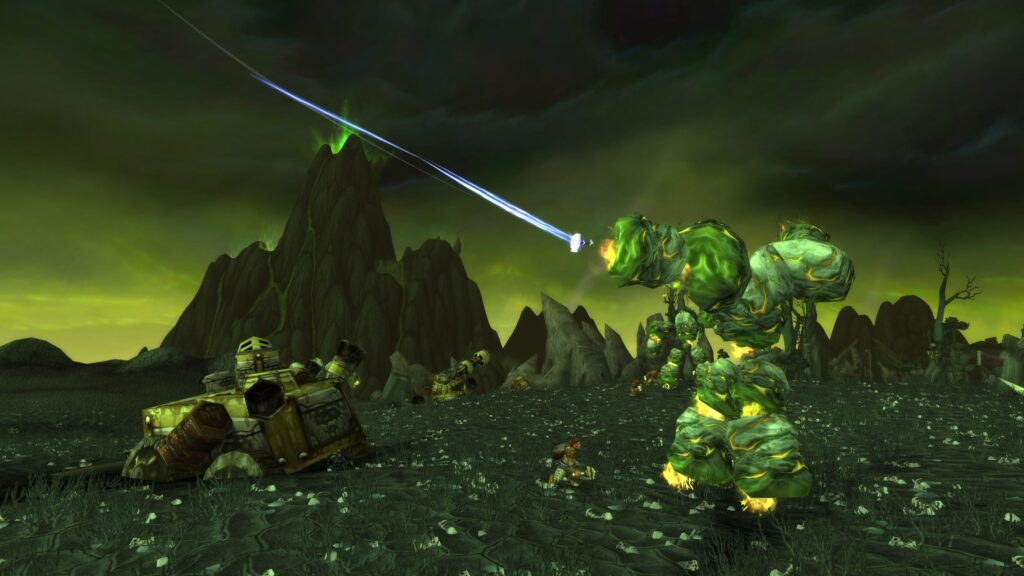
The Demon Invasions were a key feature of *Legion*, where players across Azeroth would witness random, large-scale incursions of the Burning Legion into various zones. These invasions weren’t scripted events; instead, they were dynamic, time-limited occurrences that happened periodically throughout the expansion. The idea was to simulate the relentless assault of the Legion, creating a feeling of an ever-looming threat.
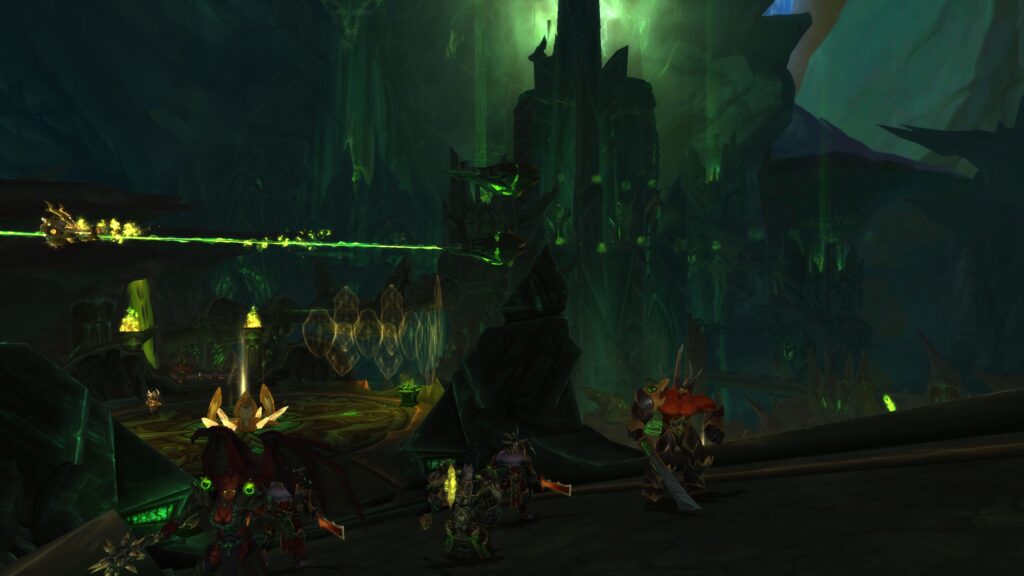
Every few weeks, the invasions would strike different parts of the world, each bringing a set of challenges, powerful demon bosses, and high-stakes gameplay. These invasions often required large groups of players to work together to defeat the Legion’s forces, making them a unique cooperative experience for those who participated. Players could join up with others in their faction or the opposite faction to push back the invaders and claim rewards for their efforts.
Gameplay Mechanics and Rewards
The Demon Invasions had a distinct gameplay structure that kept players engaged. Each invasion consisted of several stages, starting with smaller demon encounters that would escalate into large-scale battles against powerful elite bosses. The challenge varied depending on the difficulty of the invasion, with some zones offering tougher challenges than others.
The rewards for participating in these invasions were substantial, ranging from powerful gear, artifacts, and other loot, to special currencies and reputation gains with the factions tied to *Legion*. Notably, players could also earn progress toward unlocking the *Demon Hunter* class, one of the defining features of *Legion*. For many players, these invasions were essential in gearing up for the larger challenges of the expansion, such as Mythic+ dungeons and raids.
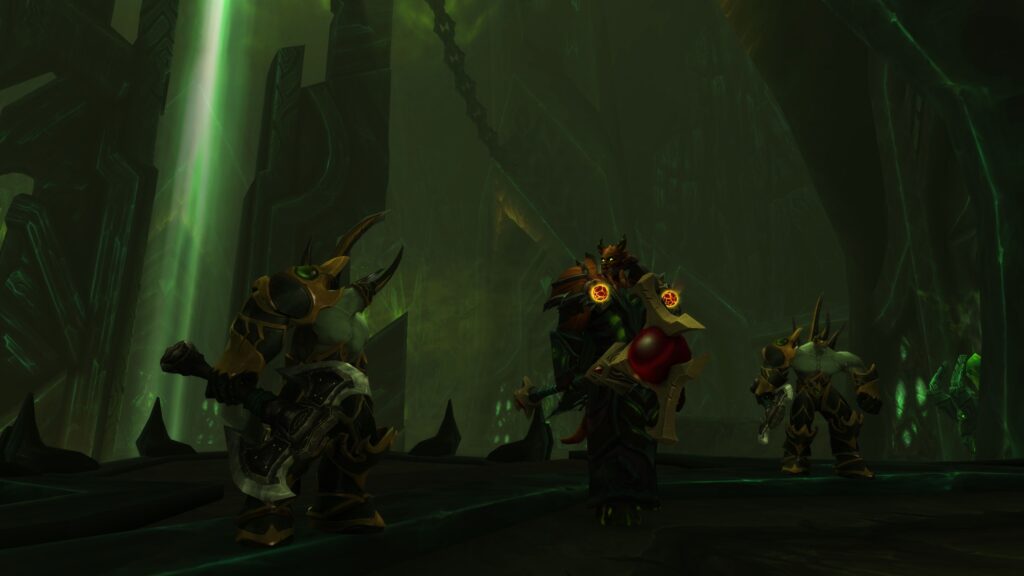
Another key reward was the *Burning Legion Invasion Currency*, which players could use to purchase gear, consumables, and special items from vendors, adding further incentive to participate in these events. This currency allowed players to improve their gear without solely relying on raids or dungeons, ensuring that even casual players could stay competitive and engaged in the expansion.
Demon Invasions as a Dynamic Content System
What truly set Demon Invasions apart from other in-game events was their dynamic nature. Unlike traditional quests or scheduled events, Demon Invasions could appear in any zone and at any time. Players never knew when or where the next invasion would strike, which added an element of excitement and unpredictability to the game. This made *Legion* feel alive and reactive, as the world itself seemed to change based on the player’s actions and the ongoing war with the Legion.
The invasions also helped to keep the game world vibrant, as players were often able to experience different zones in new ways. The invasions would recontextualize familiar places, transforming them into battlegrounds against the Legion’s forces. By allowing these invasions to affect multiple zones at once, *Legion* kept the player experience varied and engaging. The dynamic content system brought an element of surprise to the game that kept players coming back for more.
Community Impact and Cooperation
One of the most significant impacts of the Demon Invasions was the way they brought players together. These invasions were massive events, requiring cooperation between players from different factions and playstyles to succeed. The scale of the battles encouraged large groups of players to form spontaneous alliances, working together toward a common goal. This cooperation fostered a strong sense of community, as players could engage with one another, regardless of whether they were part of a guild or a raid team.
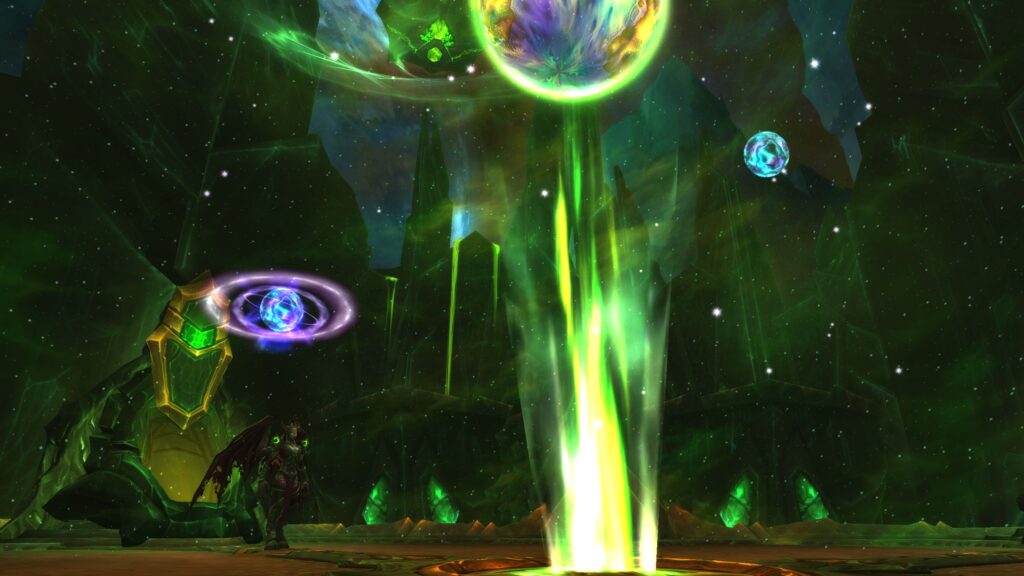
The invasions also added a sense of urgency and excitement to the game. Players had limited time to complete these events before they disappeared, so there was a rush to join in and experience the content. The competitive and cooperative nature of these invasions made them an engaging feature for both casual players and hardcore enthusiasts alike, encouraging everyone to contribute to the defense of Azeroth.
Conclusion
The Demon Invasions in *World of Warcraft: Legion* were a standout feature that showcased Blizzard’s commitment to dynamic, player-driven content. These invasions brought an element of unpredictability and excitement to the game, transforming the world of Azeroth into a battleground under constant siege by the Burning Legion. The system encouraged both cooperation and competition, giving players new ways to engage with the game and rewarding them with valuable loot and currency. By combining rich lore with gameplay mechanics that felt organic and impactful, the Demon Invasions became one of *Legion*’s most memorable features and set a new standard for dynamic content in MMOs.
Home



Leave a Reply